 |
|
"Follow us on Instagram @dianasdestinations and use #dianasdestinations when posting your travel photos to social media." |
|
|
"Follow us on Instagram @dianasdestinations and use #dianasdestinations when posting your travel photos to social media." |

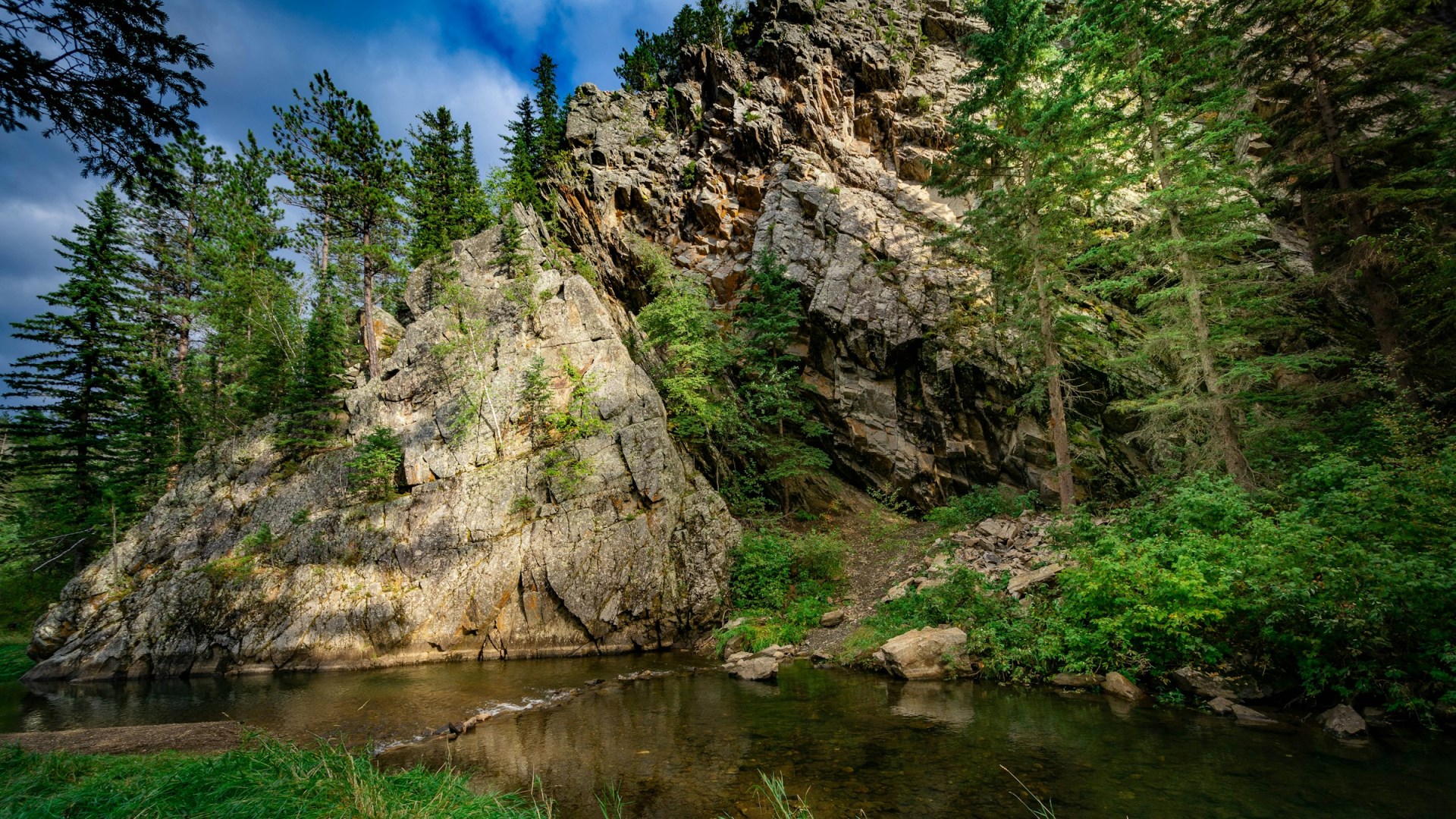
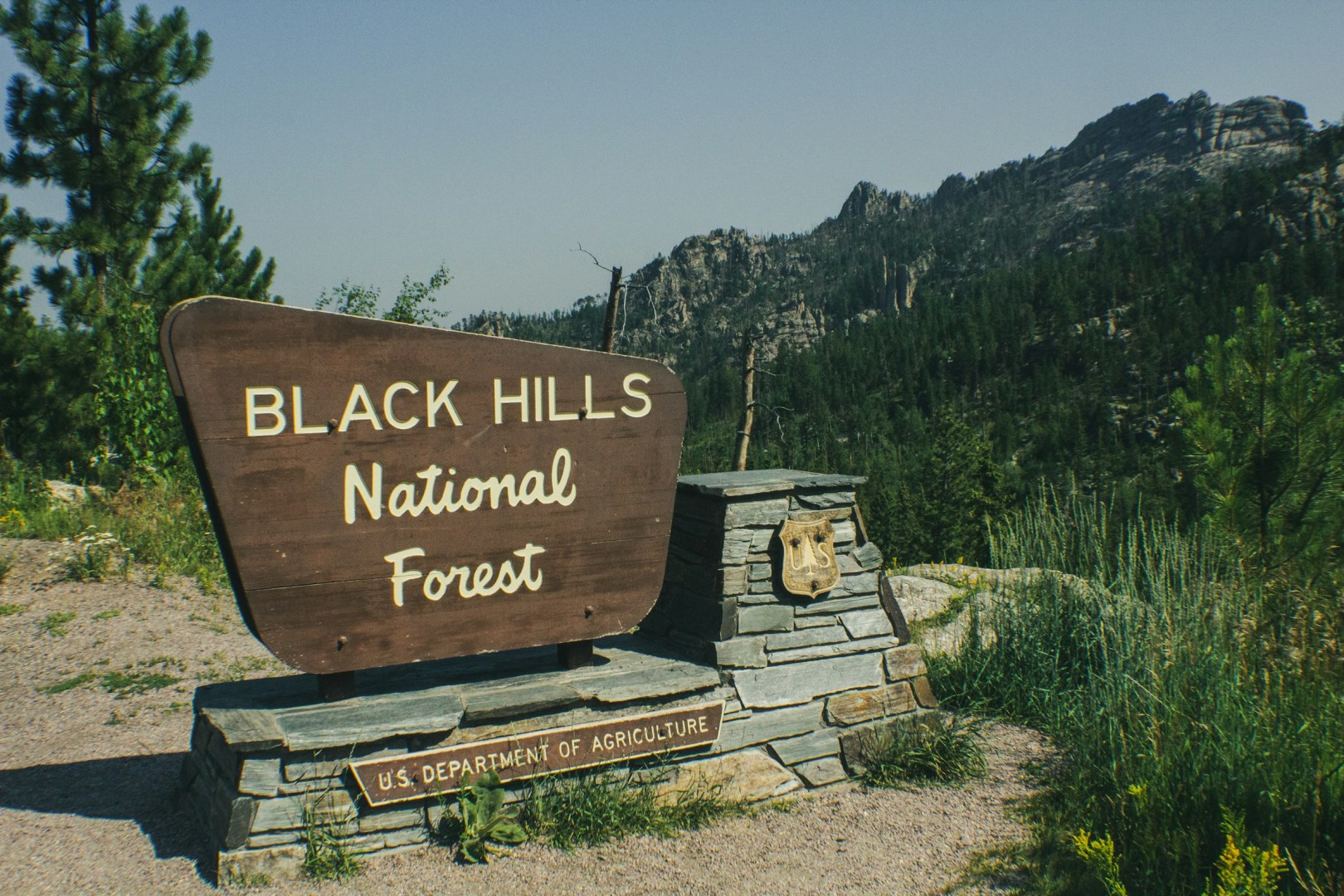
Black Hills National Forest covers a mountainous island of forests in western South Dakota, surrounded by the open plains of the Great Plains. The landscape includes granite peaks, narrow canyons, ponderosa pine forests, lakes, streams, and rolling grasslands. The forest stretches across a large portion of the Black Hills and contains some of the highest elevations in the region. Its varied terrain creates a sharp contrast with the surrounding prairie, while nearby communities such as Custer, Hill City, and Spearfish provide access to the forest and its many recreation areas.
The Black Hills hold deep cultural importance for the Lakota people, who refer to the region as Paha Sapa. The hills remain central to Lakota cultural and spiritual traditions, and the forest sits within a landscape shaped by longstanding Indigenous relationships with the land. Later settlement brought mining, ranching, logging, and tourism, which continue to influence the region. Historic mining communities such as Deadwood and Lead preserve parts of this later history, while numerous archaeological and cultural sites throughout the forest reflect the area's much longer human history.
Black Hills National Forest contains a wide range of notable landscapes and outdoor destinations. Harney Peak, now known as Black Elk Peak, rises above the surrounding forest and is the highest point in South Dakota. Spearfish Canyon cuts through limestone cliffs and supports waterfalls, forests, and scenic drives, while Custer State Park borders the forest and adds lakes, granite formations, and grasslands. The forest also contains the Needles, a collection of distinctive granite spires, as well as extensive hiking, mountain biking, horseback riding, camping, fishing, and wildlife-viewing opportunities.
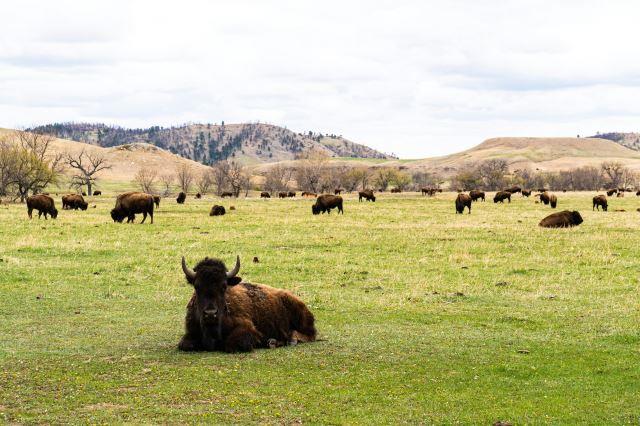
The forests and grasslands support ponderosa pine, aspen, spruce, wildflowers, and a variety of wildlife including elk, mule deer, mountain goats, bighorn sheep, and wild turkeys. Food traditions in nearby communities reflect both ranching and regional South Dakota agriculture, with beef, game meats, berries, and locally produced baked goods common in the area. A distinctive feature of the Black Hills is the way forested mountains rise directly from surrounding prairie, creating a compact region with several ecological zones. The area's streams, lakes, and underground limestone formations also contribute to its importance as a water source and habitat.

Diana's Destinations, LLC
Sykesville, MD 21784
(410) 795-5414
info@dianasdestinations.com
Please follow us on Instagram @dianasdestinations
use #dianasdestinations when posting your travel photos to social media